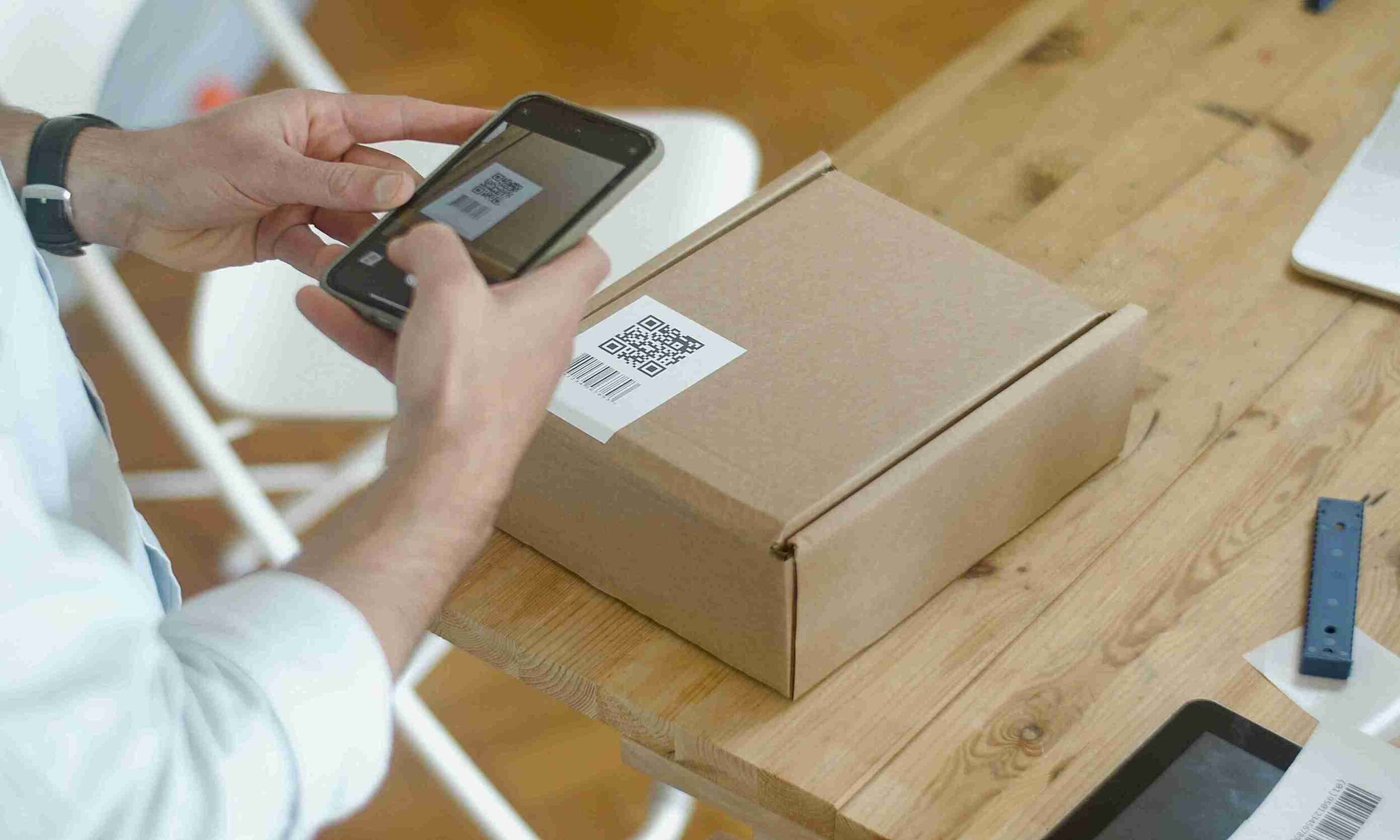
Packaging isn't just product protection anymore — it's become part of the purchase decision. Consumers, especially younger ones, associate sustainable packaging (kraft paper, eco totes, less plastic) with more trustworthy brands, even when it costs a bit more. This isn't just perception: technical standards across several industries — cosmetics and food leading the way — are also getting stricter about materials and mandatory information on packaging.
In this article, we show how small and medium businesses can adapt their packaging without blowing the budget, and why it directly impacts conversion rate — yes, packaging is marketing too.
Materials on the rise
- Kraft and duplex paper — for boxes, with an option to laminate onto micro-corrugated cardboard
- Non-woven eco totes — replace traditional plastic bags at points of sale
- Recyclable clear PVC — keeps the product visible without giving up on environmental responsibility
- Acrylic for custom cups — longer-lasting than common disposables, cutting down on waste
Choosing the right material depends on the product and the sales channel — packaging designed for e-commerce (which needs to survive shipping) has different requirements than packaging designed for a physical point of sale, where visual first impressions matter more.
Technical standards: what many businesses overlook
Every industry has its own requirements — cosmetics and food, for example, have specific rules about mandatory information and the type of material allowed in direct contact with the product. Ignoring these standards isn't just a regulatory risk: it can mean a product recall or a barrier to entry into certain sales channels, since large retail chains now require compliance before even accepting a product on the shelf.
Packaging as part of the unboxing experience
For e-commerce in particular, the moment of opening the package is one of the few physical interactions the brand has with the customer. Thoughtfully designed packaging — even without being expensive — communicates care and increases the odds of spontaneous sharing on social media, something no paid ad can buy the same way.